
Cambodia's Next Challenge: Building the Supply Chain Behind the Factories

The factories are here. The question now: Can local suppliers keep up?
TL;DR
Foreign investment keeps flowing into Cambodia's manufacturing sector
But most raw materials and components are still imported
The International Monetary Fund (IMF) says Cambodia needs to strengthen local supply chains to capture more value
Currency trends are making Chinese materials more expensive
For bag buyers: This matters for lead times, costs, and long-term sourcing stability
What's Happening
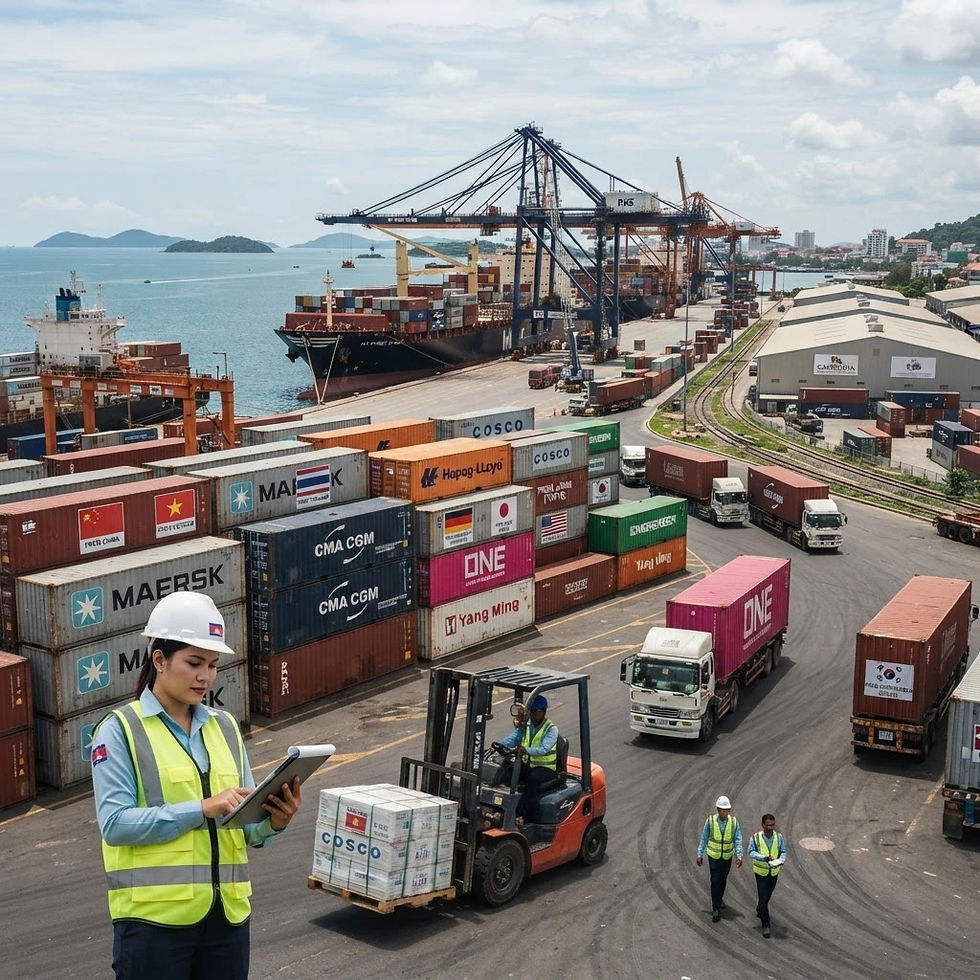
According to a recent analysis covered by Cambodia Business Watch, the International Monetary Fund (IMF) highlights a gap in Cambodia's manufacturing story: factories are growing, but local supply chains aren't keeping pace.
Despite years of FDI-driven expansion in garments, footwear, and now automotive, most export manufacturers still rely heavily on imported materials. The linkages between foreign-owned factories and local Cambodian suppliers remain weak.
Prime Minister Hun Manet recently put it bluntly at a new auto assembly plant opening:
"Parts like floor mats, seats, steering wheels, lights, and mirrors are still 100% imported."
He's now pushing for local SMEs to meet production standards and supply these components domestically.
Why It Matters for Bag Sourcing
This isn't just an automotive issue — it applies across manufacturing, including bags.
Current reality:
Component | Typical Source |
Fabrics | Imported (China, Vietnam, Taiwan) |
Zippers/hardware | Imported (China, Korea) |
Linings | Imported |
Packaging | Mixed (some local) |
Labor | Local ✓ |
What this means for you:
Factor | Impact |
Lead times | Dependent on imported material delivery |
Cost structure | FOB tied to global material prices |
Flexibility | Limited local alternatives for rush orders |
Long-term potential | Could improve if local supply chains develop |
Currency Trends: Another Factor to Watch
Beyond supply chain development, currency dynamics are also shifting.
The Chinese yuan (RMB) has been strengthening against the US dollar throughout 2025-2026, with the USD/CNY rate declining from around 7.20 to potentially below 6.80. The US dollar index has weakened as the Fed continues rate cuts, and analysts suggest this softening trend may persist.
What this means for sourcing:
A stronger RMB makes Chinese raw materials more expensive when priced in USD. For bag manufacturers like us, this adds another reason to diversify material sourcing:
Material | Alternative Sources | Notes |
Zippers, trolley systems | Vietnam | Competitive pricing, growing capacity |
Lining fabrics | Taiwan | Quality reputation, stable currency |
Nylon fabrics | Korea | Technical expertise, reliable supply |
Packaging, foam | Cambodia (local) | Saves shipping time and cost |
Money isn't the only factor, but it's an important one. When combined with the push for local supply chain development, the direction is clear: diversify where possible, and source locally where quality standards can be met.
⚠️ Important caveat: Currency trends can reverse quickly. We're not making drastic changes based on exchange rates alone, but it's one factor in our diversification strategy.
The Opportunity
The IMF isn't saying "don't invest in Cambodia." They're saying Cambodia needs to translate investment into local value — more local sourcing, better supplier capabilities, and stronger quality standards.
For manufacturers like us, this means:
Short-term: Continue managing import logistics efficiently while monitoring costs
Medium-term: Identify local suppliers who can meet quality standards, starting with simpler components
Long-term: Build toward shorter lead times and more resilient supply chains
What We're Doing
At Orient Bag, we're watching this closely. We're:
Diversifying material sources — reducing over-reliance on any single country
Testing local suppliers — starting with packaging materials, foam, and simple components where quality can be assured
Monitoring currency trends — factoring exchange rate movements into sourcing decisions
Staying realistic — for now, core materials like premium fabrics and hardware still come from established sources in China, Vietnam, Taiwan, and Korea
The Bottom Line
Cambodia's manufacturing sector is maturing. The next phase isn't just about more factories — it's about building the ecosystem around them.
For buyers, this is worth watching. A stronger local supply chain could eventually mean:
Faster turnaround times
More pricing stability
Reduced dependency on third-country imports
We're not there yet. But the direction is promising.
Quick Take
Now | 2029+ (Potential) | |
Raw material sourcing | 80%+ imported | More local options |
Lead time flexibility | Limited | Improved |
Supply chain resilience | Moderate | Stronger |
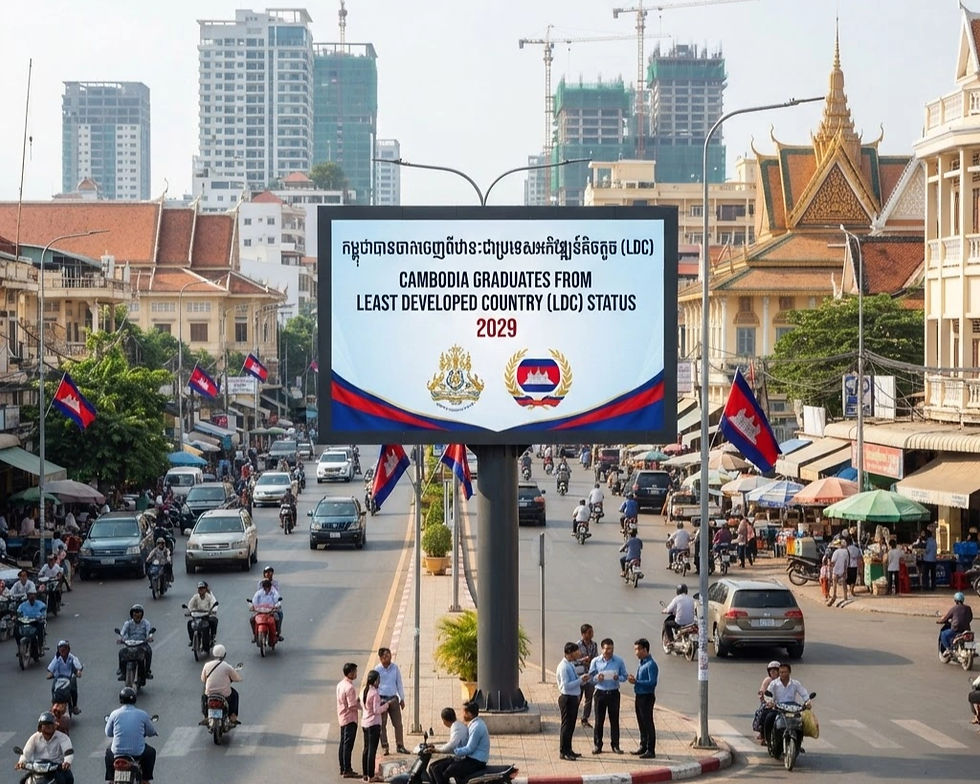
Value captured locally | Low | Higher |
Currency risk exposure | High (China-dependent) | Lower (diversified) |
Want to discuss how this affects your sourcing strategy? Contact us.

Comments